Products Recommended

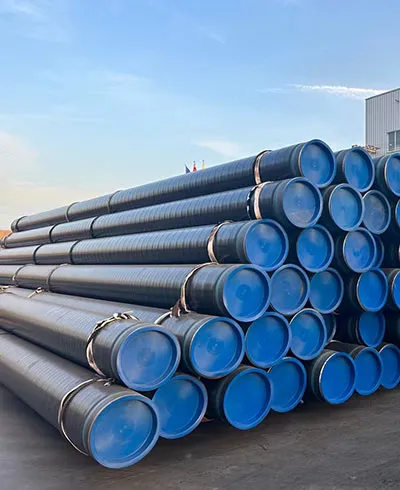
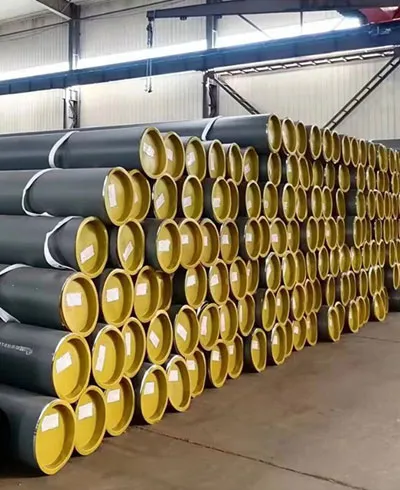
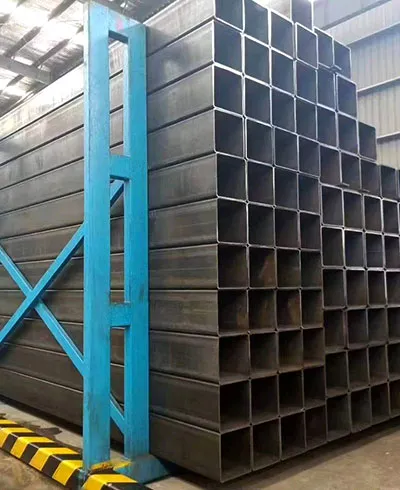
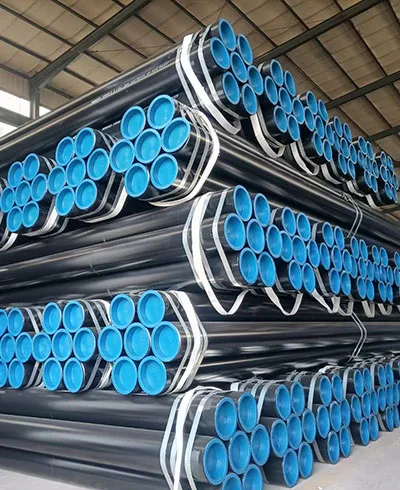
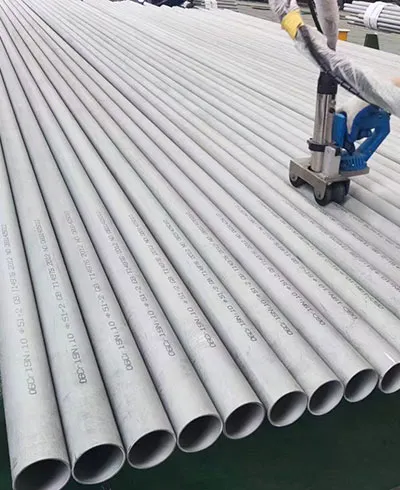
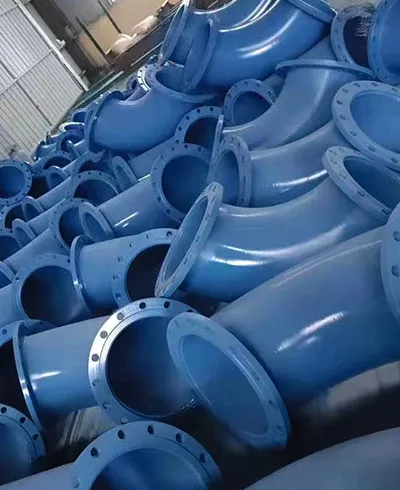
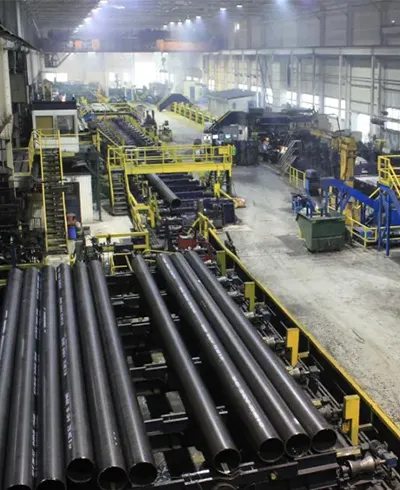
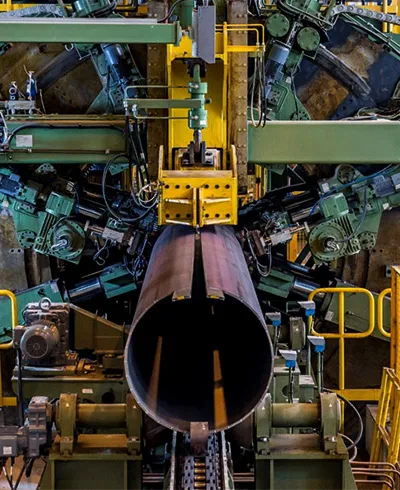
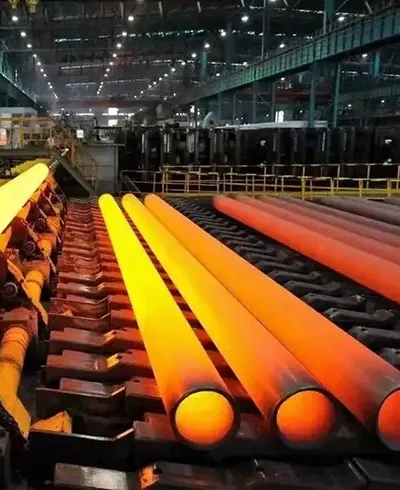
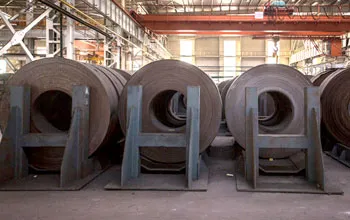
The main product range of Forever Steel Manufacturing Co., Ltd includes seamless steel pipes(SMLS), ERW pipes, spiral welded pipes(SSAW), straight seam submerged arc welded pipes(LSAW) and a complete series of pipe fittings. 

About forever steel

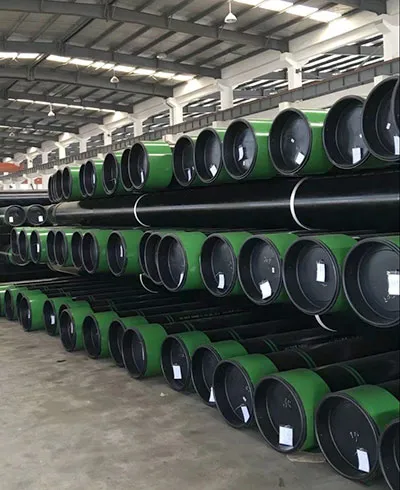
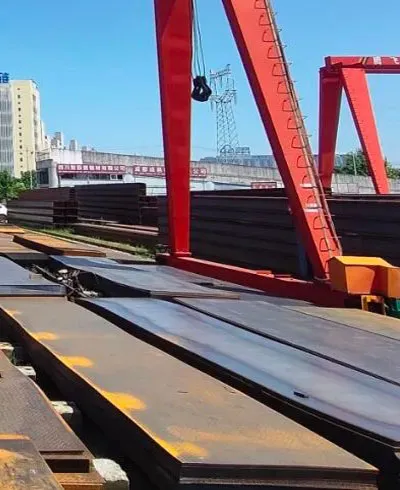
Forever Steel Manufacturing Co., Ltd supplies steel pipe and pipe fittings for oil and gas, water transmission, piling, structural and industrial projects. Our main product range includes seamless steel pipe, welded steel pipe, OCTG products, coated pipe, steel plates and pipe fittings.
We support international buyers with controlled sourcing, production coordination, inspection management, documentation control and export delivery. With a focus on product quality, stable supply and practical project service, Forever Steel works with customers across energy, infrastructure, marine, mechanical and industrial applications.

  • Production Capacity and Delivery Support

    Forever Steel supports steel pipe and pipe fitting supply through coordinated production, quality control, documentation management and export delivery. From raw material preparation to manufacturing follow-up, inspection review, packing and shipment arrangement, we work to keep project orders under clear control.Our strength lies in responsive communication, flexible supply coordination and practical execution support. For customers handling project-based procurement, this means easier follow-up on technical requirements, inspection schedules, documentation review and delivery planning.With a focus on stable production support and controlled shipment execution, Forever Steel helps buyers improve supply efficiency across industrial and energy applications.


Workshop & Quality Control

Forever Steel applies quality control throughout raw material inspection, production, testing and pre-shipment review. We support buyers with clear product identification, traceable records and inspection coordination for project supply.Mill Test Certificates (MTC), inspection records and related documentation help verify material grade, chemical composition, mechanical properties, heat number and other key quality data required for technical review and delivery control.

  • Inspection of Raw Materials

    Inspection of Raw Materials

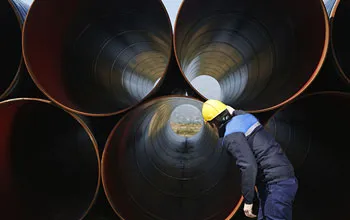
    Verification of dimensions and tolerances, assessment of visual quality, testing of mechanical characteristics, evaluation of weight, and examination of raw materials.
  • Inspection of Semi-Finished Products

    Inspection of Semi-Finished Products

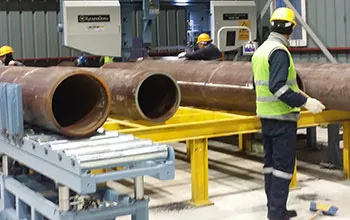
    Throughout the pipe manufacturing process, we conduct Ultrasonic Testing, Magnetic Particle Inspection, Radiographic Examination, Liquid Penetrant Testing, and Eddy Current Testing.
  • Inspection of Finished Products

    Inspection of Finished Products

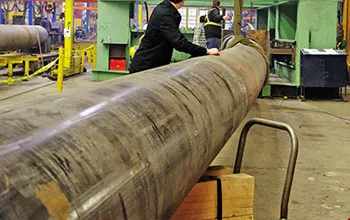
    Once the finished products are ready, our expert Quality Assurance team will carry out both visual examinations and physical testing.
  • Pre-Shipment Inspection

    Pre-Shipment Inspection

    Prior to the dispatch of finished goods, our skilled QC personnel will conduct a final inspection, focusing on the pipe markings and overall contents.

Projects & Cases

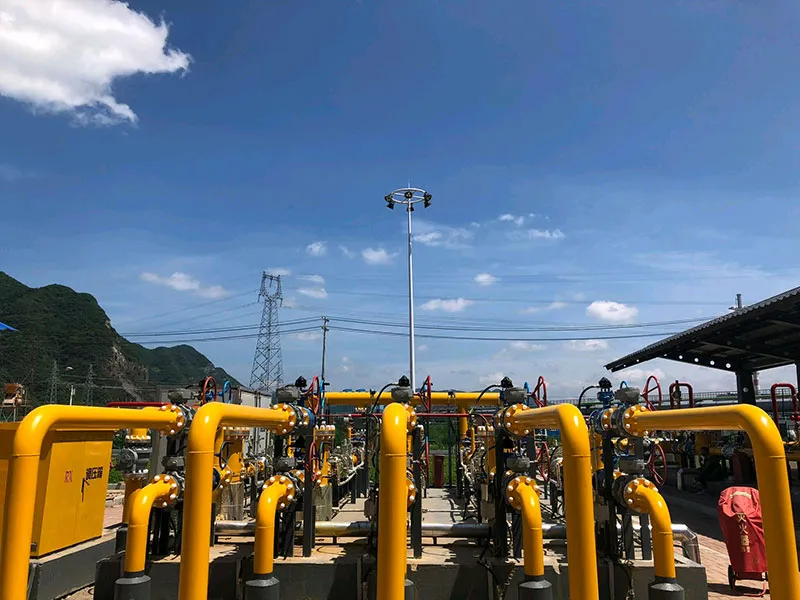
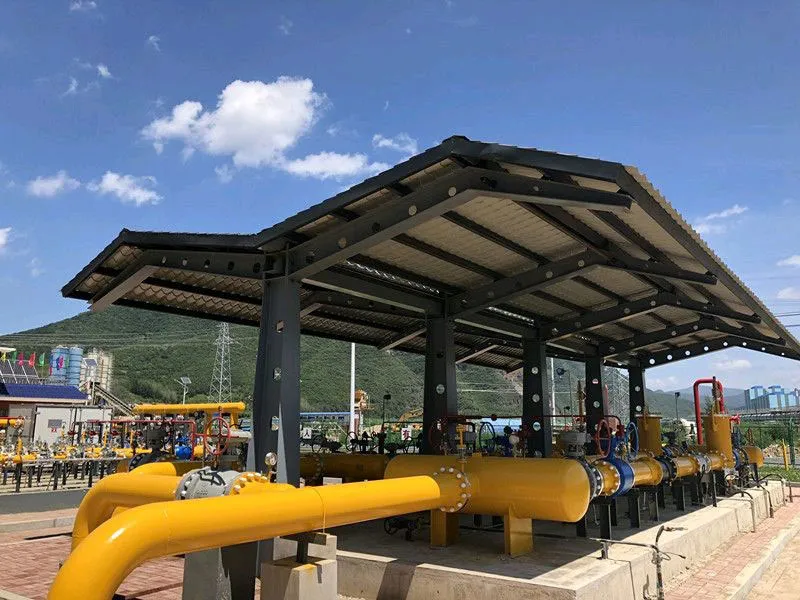
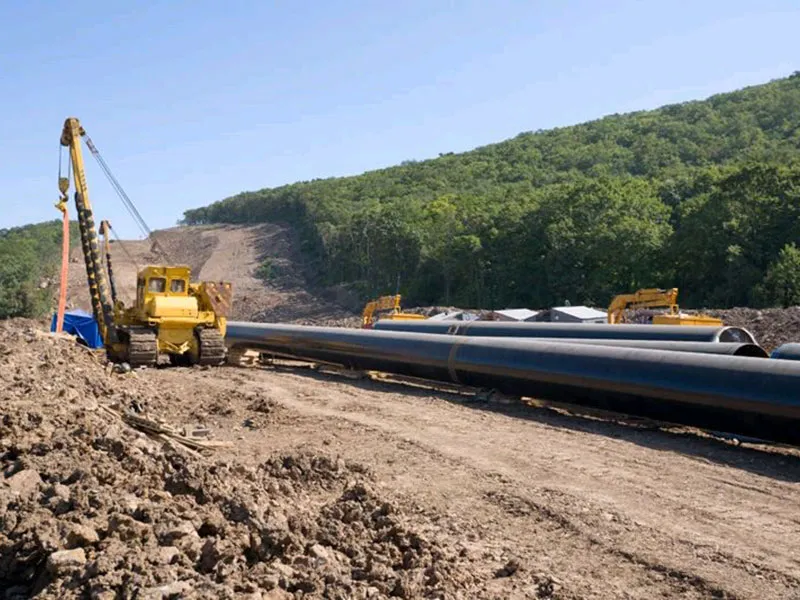
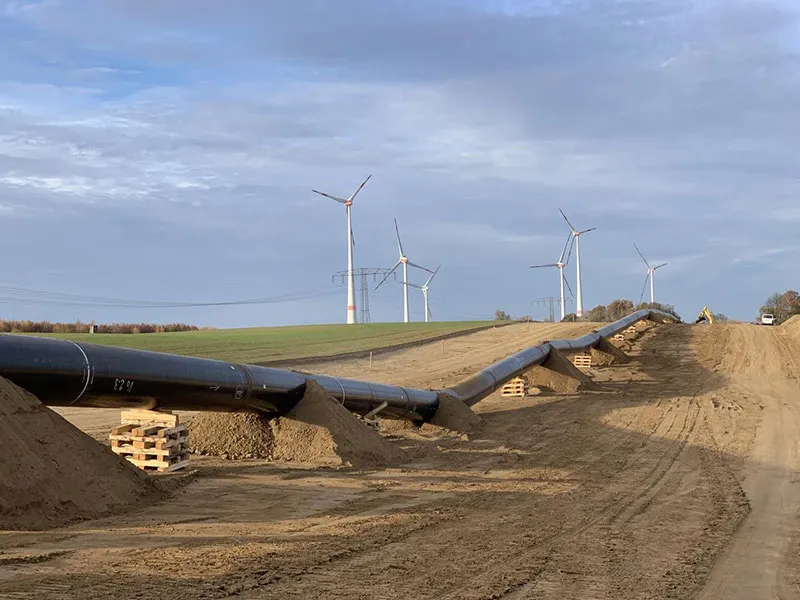
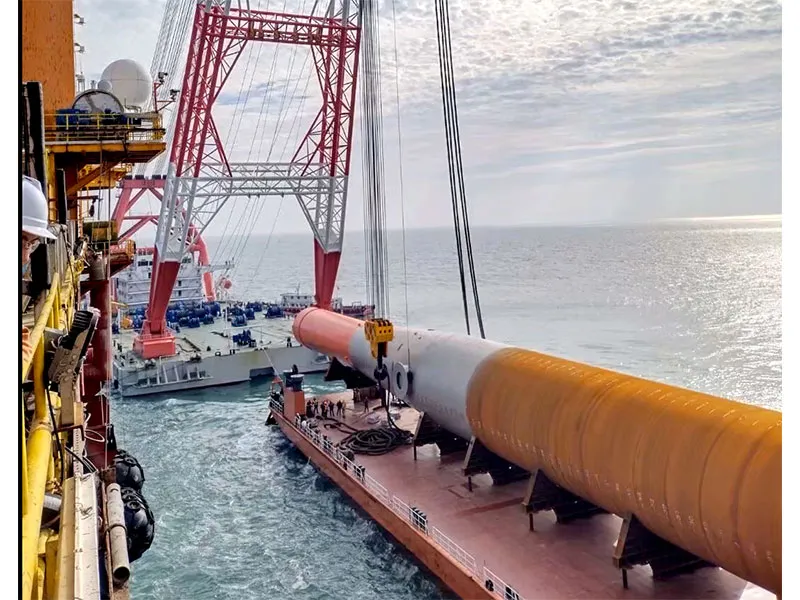
Our project and supply experience covers oil and gas, water transmission, offshore, piling and industrial applications across Southeast Asia, the Middle East, Europe, Africa, South America and Oceania.Forever Steel supports customers with product selection, inspection coordination, documentation control and export delivery for project-based procurement.

Latest News

  • How to Prevent Surface Damage to Coated Steel Pipes During Transportation

    How to Prevent Surface Damage to Coated Steel Pipes During Transportation

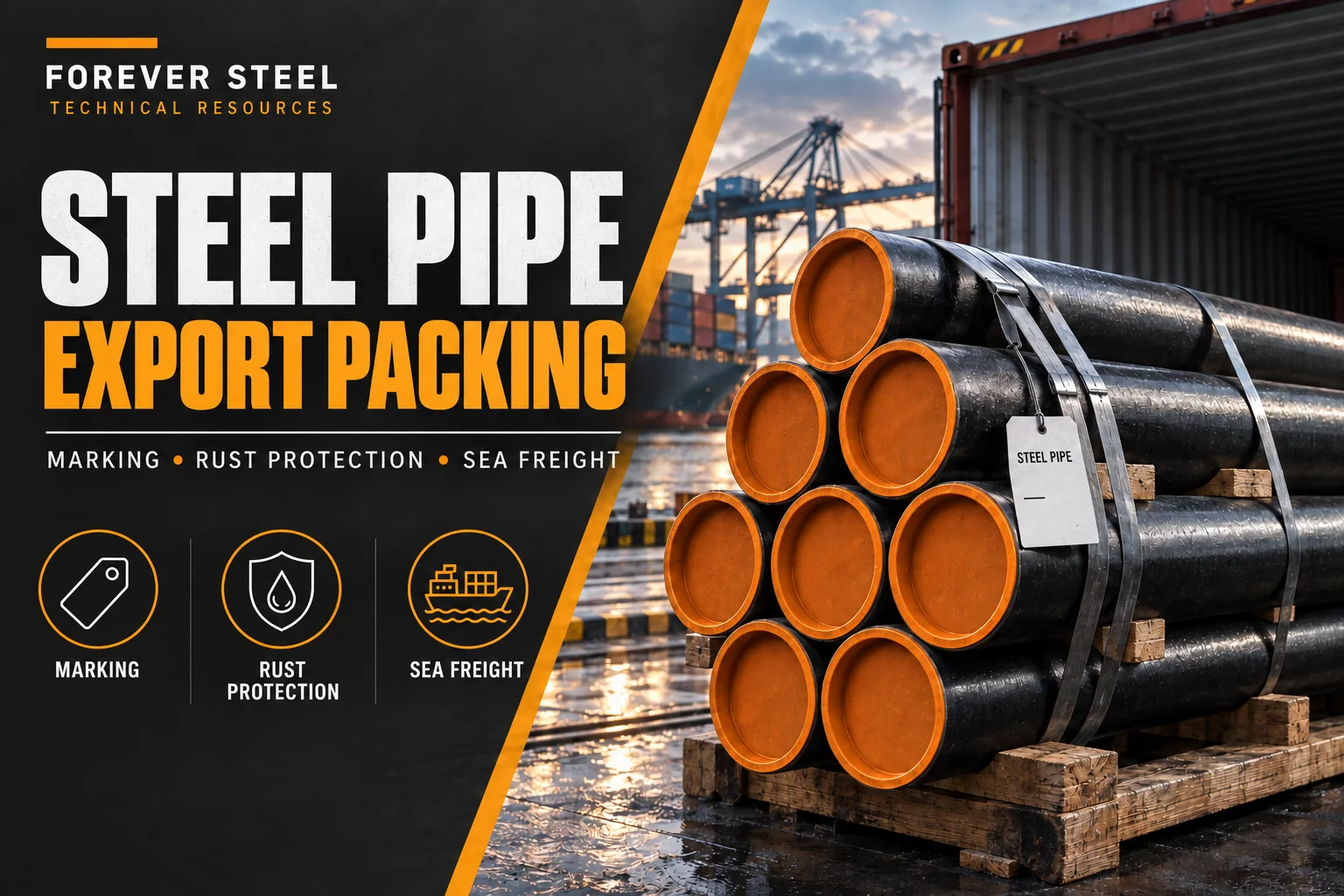
    Specialized Protection Protocols for Coated Steel Pipe Logistics Overview At **Forever Steel**,we understand that a steel pipe is only as good as its surface condition upon arrival,For projects in **South America** and the **Middle East**,our focus is on preventing "Holiday" (coating gaps) and mechanical gouges during the complex multi-modal transport process,Multi-Layered Material Protection We utilize a combination of traditional and modern soft-protection materials to ensure the safety of 3LPE,FBE,and 3LPP coatings: * **Hemp Rope Spiraling**: Thick hemp ropes are coiled around the pipe body to maintain a fixed safety distance between pipes,eliminating friction during sea-transit,* **Straw Mat Interlining**: Heavy-duty straw mats are placed on all timber dunnage to absorb shocks and prevent pressure-point marks on the coating,* **Non-Woven Fabric Shielding**: For sensitive FBE coatings,we offer full-body wrapping in high-density non-woven fabric to protect against dust,UV rays,and micro-abrasions,Compliance & Quality Assurance All our handling and loading procedures follow **API 5L** transportation guidelines and **ISO 21809** standards,We use only nylon webbing slings and padded hooks—**zero metal-to-metal contact** is guaranteed throughout the loading process,Why Choose Forever Steel? Our commitment to detail reduces your project’s "On-Site Repair" costs,We provide a complete **Loading & Bracing Plan** with every shipment,ensuring that your procurement team has full transparency over the safety of your assets,
  • How to Prevent Corrosion in Underground Oil Pipelines?

    How to Prevent Corrosion in Underground Oil Pipelines?

    Based on the extreme environmental conditions of the Middle East—specifically high ambient temperatures,significant diurnal (day-night) temperature swings,and highly saline or corrosive desert soils—preventing corrosion requires a more robust technical approach than standard environments,Here is the strategy for preventing corrosion in underground oil pipelines specifically tailored for the Middle East: 1,Advanced Coating: 3LPP vs,3LPE In the Middle East,surface temperatures can exceed 50°C,and the oil inside the pipe is often transported at high temperatures,3-Layer Polypropylene (3LPP): While 3LPE is standard globally,3LPP is the preferred choice for Middle Eastern projects (such as those by Saudi Aramco or ADNOC),Polypropylene has a much higher softening point than polyethylene,allowing it to withstand operating temperatures up to 110°C and providing better resistance to the abrasive desert sand,High-Glass Transition FBE: The primer layer (Fusion Bonded Epoxy) must have a high $T_g$ (Glass Transition Temperature) to ensure the coating does not become brittle or lose adhesion during extreme thermal cycling,2,Enhanced Cathodic Protection (CP) High temperatures accelerate the electrochemical corrosion rate (following the Arrhenius Law),For every 10°C increase in temperature,the corrosion rate can nearly double,Impressed Current Cathodic Protection (ICCP): Due to the long distances and high soil resistivity in dry deserts,ICCP is mandatory,Deep Well Anode Beds: To reach stable soil moisture and avoid the high-resistance surface layers dried out by the sun,anodes are typically buried in deep vertical wells,Automatic Rectifiers: Systems must use smart rectifiers that automatically adjust current output to compensate for changes in soil moisture and temperature between day and night,3,Managing Thermal Expansion and Stress The massive temperature delta between the scorching day and cooler night causes the steel to expand and contract significantly,Anti-Abrasion Overcoating: As the pipe moves slightly due to thermal expansion,it rubs against the soil,An additional "Rough Coat" or concrete weighting is often used to prevent the primary anti-corrosion coating from being "sanded" away,Selection of Backfill: Using screened,fine-grained sand for backfilling is critical,This prevents "point loading," where sharp rocks could be pushed through the coating as the pipe expands and contracts,4,Internal Corrosion & MIC Control Even in arid deserts,moisture can condense inside the pipeline or exist in the crude oil,Sulfate-Reducing Bacteria (SRB): These bacteria thrive in the warm underground temperatures of the Middle East,leading to Microbiologically Influenced Corrosion (MIC),Inhibitor Injection: Constant injection of corrosion inhibitors and regular Pigging (using cleaning scrapers) are required to remove water pockets and biofilms from the internal floor of the pipe,5,Remote Digital Monitoring Given the vast and inhospitable nature of Middle Eastern oil fields,manual inspection is difficult,Remote Monitoring Units (RMU): These units use satellite or GSM to transmit CP data (pipe-to-soil potential) to a central office,ensuring the protection is active 24,7 without needing field crews in the heat,Fiber Optic Sensing: Many modern lines bury fiber optic cables alongside the pipe to detect leaks and mechanical stress caused by soil movement or thermal shifts,

leave us a message

Please feel free to send us your requirements or questions, we’ll reply within 24 hours.

Find what you need ?

close